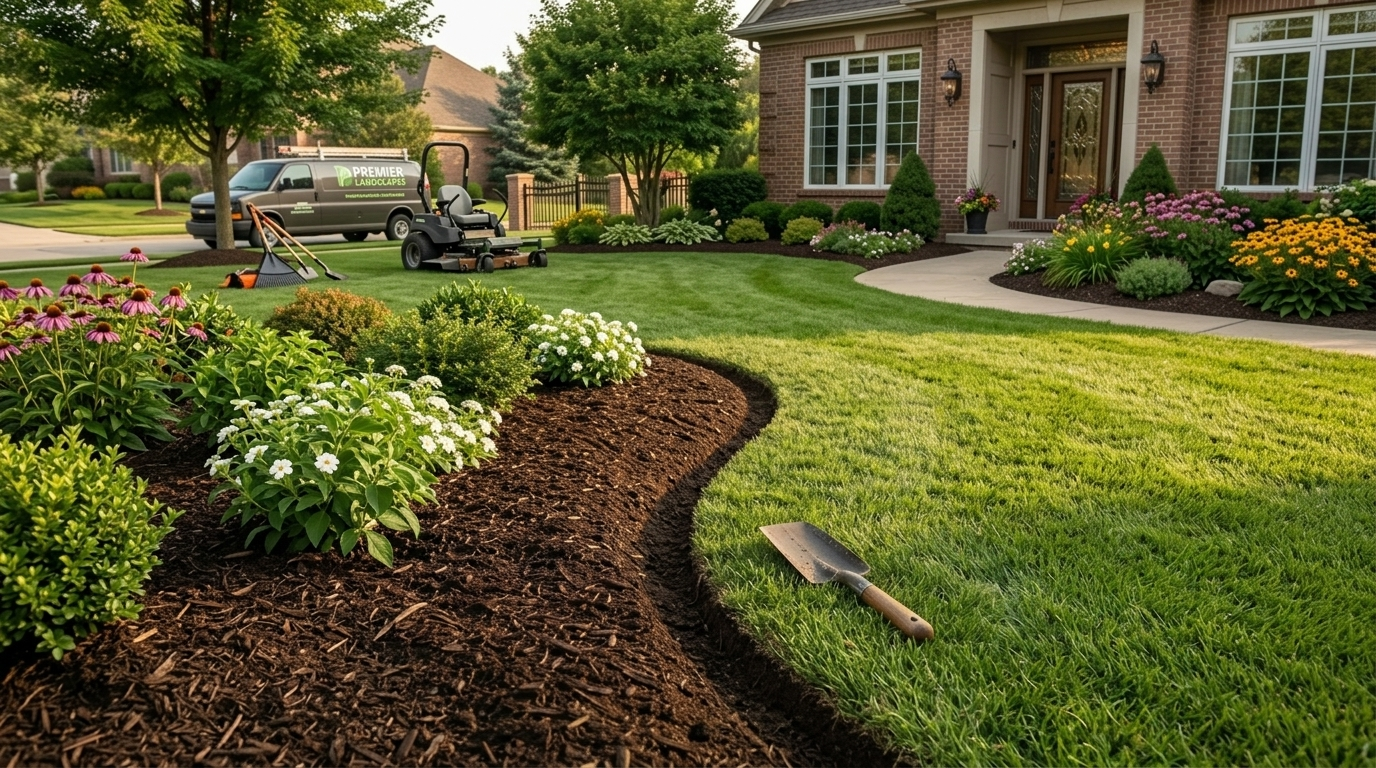
Ever stood in the garden aisle, staring at bags of cedar mulch and river rock, wondering which one will actually make your life easier? You're not alone. Choosing between mulch or rocks around your house is more than a style choice — it impacts your weekend maintenance, your plants' health, and your wallet.
While mulch is a classic favorite for keeping plants happy, rocks offer a clean, set-it-and-forget-it alternative. The right answer depends on your home, your budget, and how much you actually enjoy yard work. Here's the breakdown.
Not sure what's right for your specific yard? Ryan can walk the property and give you a straight answer.
Text Ryan for a Free ConsultationIs Mulch or Rock Better Around a House?
Neither is universally better — they just have different jobs.
- Mulch is the MVP for plant health. It's soft, natural, and keeps the soil cool and moist.
- Rocks are the kings of durability. They provide a crisp, modern look that doesn't need refreshing every spring.
If you're landscaping around trees, shrubs, or delicate flowers, mulch is usually your best bet. But if you're looking for a sharp decorative border, a solution for a soggy downspout area, or just want to stop buying bags of mulch every year, rocks might be calling your name.
The Case for Mulch: Why Your Plants Love It
There's a reason mulch is everywhere. It's not just about color — it's about what it does for the ground beneath it.
Moisture and Health
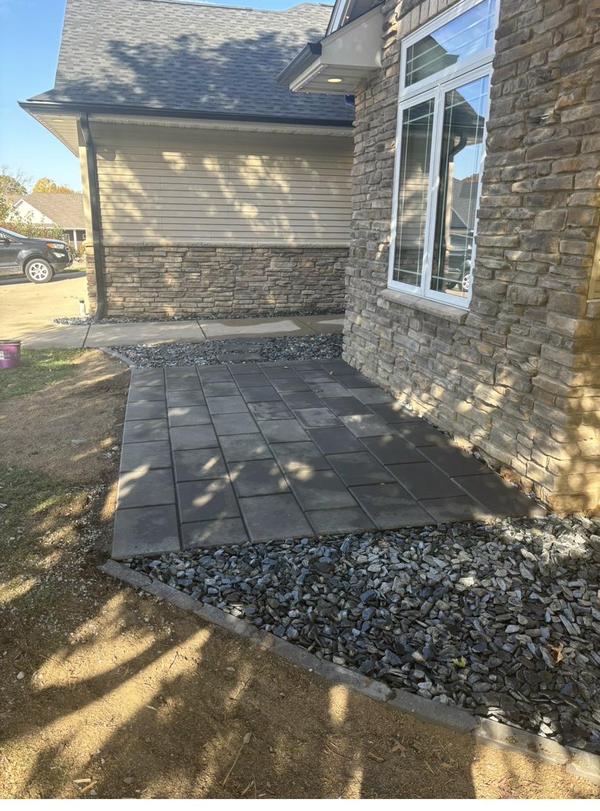
Mulch acts like a blanket, reducing water evaporation so your shrubs and flowers stay hydrated during those scorching Eastern Iowa summers. As organic mulch breaks down, it actually feeds the soil — encouraging stronger roots and more vibrant plants.
Aesthetics and Flexibility
Nothing beats the smell and look of fresh mulch for instant curb appeal. It's also easy to work with — if you decide to move a plant or redesign a bed next year, mulch is easy to rake aside. It's significantly cheaper upfront than decorative stone, which matters when you're covering a lot of ground.
The Downside of Mulch: The Yearly Hustle
Mulch is a commitment. It fades, it decomposes, and it needs to be topped off or replaced regularly — typically every one to two years in Iowa's climate. In a heavy downpour, it can wash away, leaving your beds looking messy.
And a pro tip: never pile mulch too thick against your foundation. That's an open invitation for moisture and pests. Keep a gap between the mulch and any wood siding or masonry.
The Case for Rocks: The Low-Maintenance Dream
If you're tired of the yearly mulch haul, rocks are your new best friend.
Built to Last
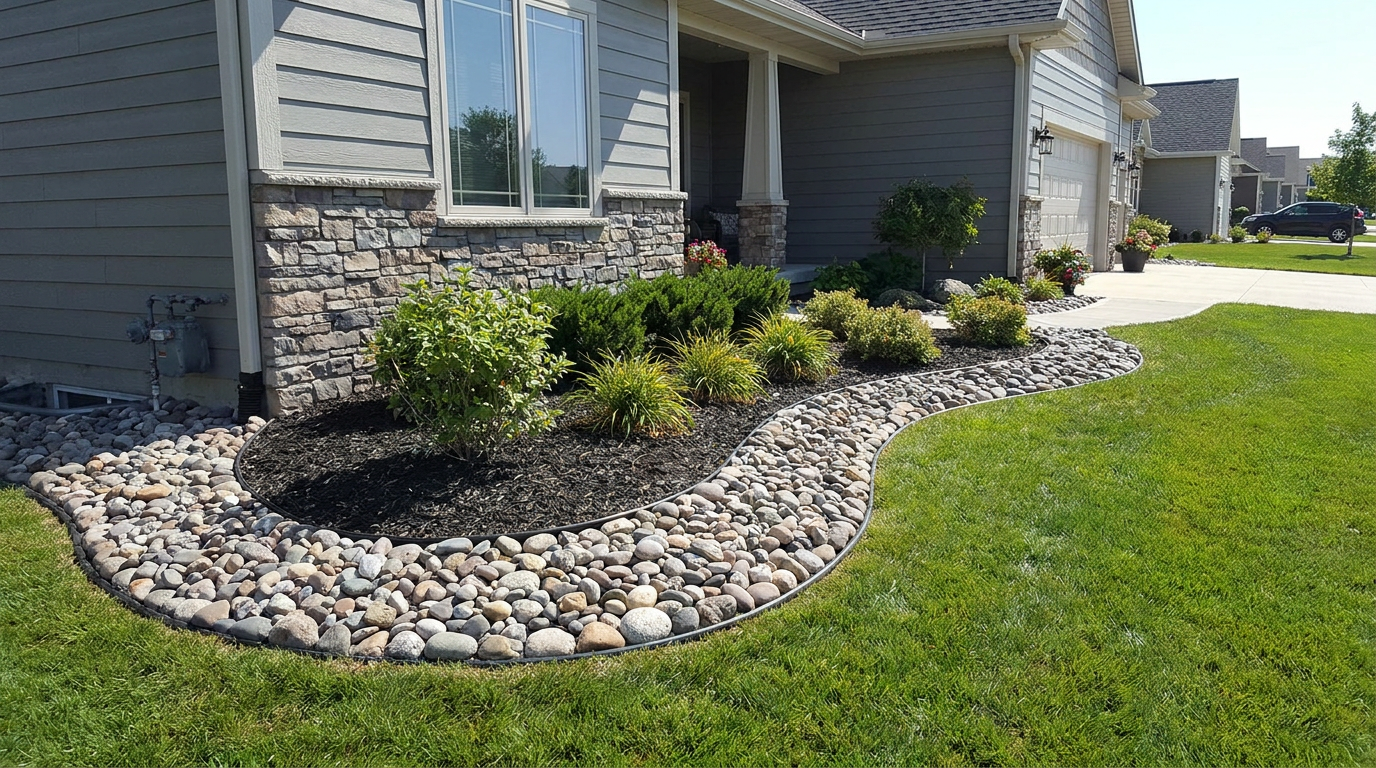
Landscape rock doesn't break down. Once it's down, it stays for years — the ultimate choice for a clean, polished look that doesn't demand your attention every season. From lava rock to pea gravel, the variety gives your home a modern, high-end feel.
Drainage and Durability
Rocks are excellent for problem areas. Have a downspout that washes away your mulch every spring? Replace it with river rock. Living in a windy area? Rocks won't blow away. They're the go-to for dry creek beds and runoff zones where mulch just can't hold up.
The Downside of Rocks: The Long-Term Reality
Rocks are a bigger investment upfront. They're heavy, labor-intensive to install, and they do nothing for your soil health. In sunny spots, rocks absorb heat and can stress out sensitive plants during Eastern Iowa's July and August heat stretches.
Over time, dust and debris settle between the stones, creating a perfect home for stubborn weeds. And if you ever change your mind, removing a rock bed is a back-breaking job. Install with intention.
Mulch vs. Rocks: The Ultimate Showdown
For Weed Control
Both block sunlight, but neither is a magic bullet. Mulch needs refreshing to stay effective. Rocks need regular debris clearing to prevent weeds from taking root in the gaps. A quality weed barrier underneath either material makes a significant difference.
For Drainage
Rocks win here. They're the go-to for dry creek beds and runoff zones around downspouts. Mulch just can't handle fast-moving water. However, if you have standing water near your foundation, neither material will solve it — that likely requires professional grading or a French drain.
For Curb Appeal
Mulch offers a warm, traditional feel that complements flower beds and classic Eastern Iowa homes. Rocks provide a crisp, modern, architectural look. Can't decide? Many homeowners do both — mulch for the plants, and rocks for the borders and drainage paths.
Cost: Upfront vs. Long-Term
Mulch is cheaper today. Rocks are cheaper over five years. The total cost to install mulch or rocks around a house in Eastern Iowa really depends on the size of your beds and the prep work involved.
While you'll pay more for rock and labor now, you'll save on the yearly replacement costs that come with mulch. If you're planning to stay in the home long-term, rocks often pay for themselves within three to four seasons.
Should You DIY or Call the Pros?
Installing a few bags of mulch is a great Saturday project. But a full-scale rock bed — that's a different story. A professional landscaping company ensures the bed is prepped correctly, the edging is sharp, and the drainage is handled properly.
Getting the material right for your specific plants and sun exposure also matters. Common DIY mistakes include "volcano mulching" around trees (piling mulch against the trunk causes rot) and placing rocks in full sun next to heat-sensitive shrubs. Getting it right the first time saves a lot of money and headache down the road.
Still on the fence? Ryan can walk your yard and tell you exactly what fits — no sales pitch, just a straight recommendation.
Text Ryan for a Free QuoteFrequently Asked Questions
Should I use mulch or rocks around my house?
Mulch is better for plant health and moisture retention — it keeps soil cool and feeds roots as it breaks down. Rocks are better for low-maintenance durability and drainage. Your best choice depends on your plants, how much upkeep you want, and your yard's drainage situation.
Is it okay to put mulch next to the house foundation?
Yes, but keep it a few inches away from the foundation and siding to prevent moisture buildup and pest entry. Never pile mulch directly against wood or masonry — this common mistake causes rot and invites insects over time.
Are rocks better than mulch for landscaping?
Rocks are better for longevity and drainage — once installed, they last for years with no replacement. But they don't improve soil health and can hold heat in Eastern Iowa's summers, stressing sensitive plants. Mulch wins for plant health; rocks win for low maintenance and drainage zones.
Can I mix mulch and rocks in my landscaping?
Absolutely. Many Eastern Iowa homeowners use mulch around plants and shrubs where soil health matters, and rocks for border edging, drainage paths, and downspout areas. Combining both gives you the plant-health benefits of mulch with the durability and clean look of stone.